92% of social media crises start with a single comment.
The media landscape has become a powder keg.
One tweet, story, or comment under a brand's post can trigger an avalanche that grows into a full-scale crisis within hours.
A study by Elledgy Media Group revealed that:
But algorithms tend to amplify such content. From there come reposts, memes, and viral waves.
Not long ago, brands had time to shape their official position. Today, they have no more than 12 hours to contain a conflict — otherwise, they risk becoming the epicenter of a media scandal.
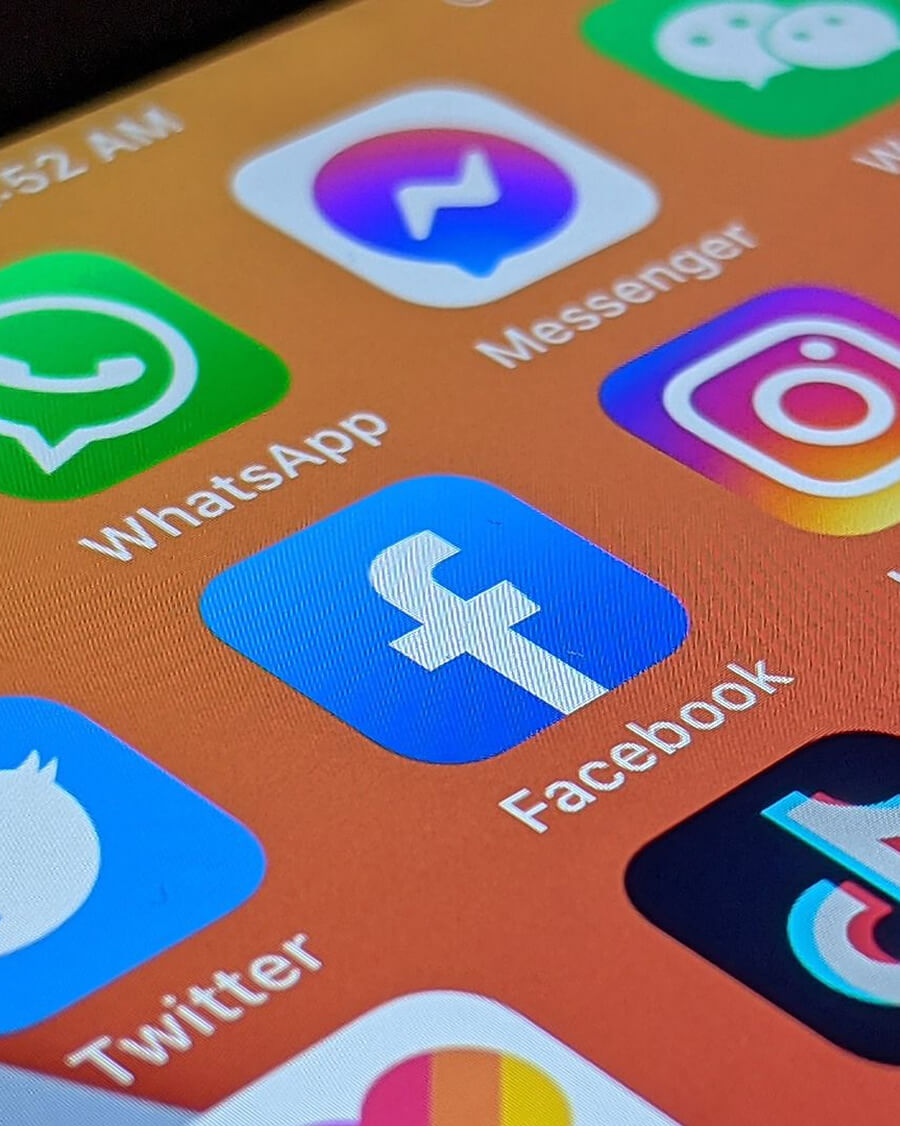
How the chain reaction works
In 2024, Elledgy Media Group experts found that if a company failed to respond within 6–8 hours, the scale of negativity grew 4.5x on average. Moreover, template responses like "We're aware of the issue and investigating" no longer work. Audiences expect facts, transparency, and involvement.
The mechanism is simple:

One user leaves a negative comment

The platform's algorithm detects engagement and boosts the discussion into wider feeds.
New participants join in, often with polarized emotions.

Then the media pick up the "hot" emotional story

And within a day, the brand no longer controls the narrative.

One user leaves a negative comment

The platform's algorithm detects engagement and boosts the discussion into wider feeds.
New participants join in, often with polarized emotions.
Then the media pick up the "hot" emotional story
And within a day, the brand no longer controls the narrative.
Real-world cases
Fashion brand (Europe)
One ironic comment about the gap between price and quality sparked a TikTok wave with 7M views in 48 hours. Sales dropped 18% within a month.
IT company (USA)
A product bug became a meme on Twitter/X. Two days of silence cost the company $230M in market cap.
Food industry
A single customer complaint in Instagram Stories turned into national news within 24 hours. The brand lost a key retail contract.
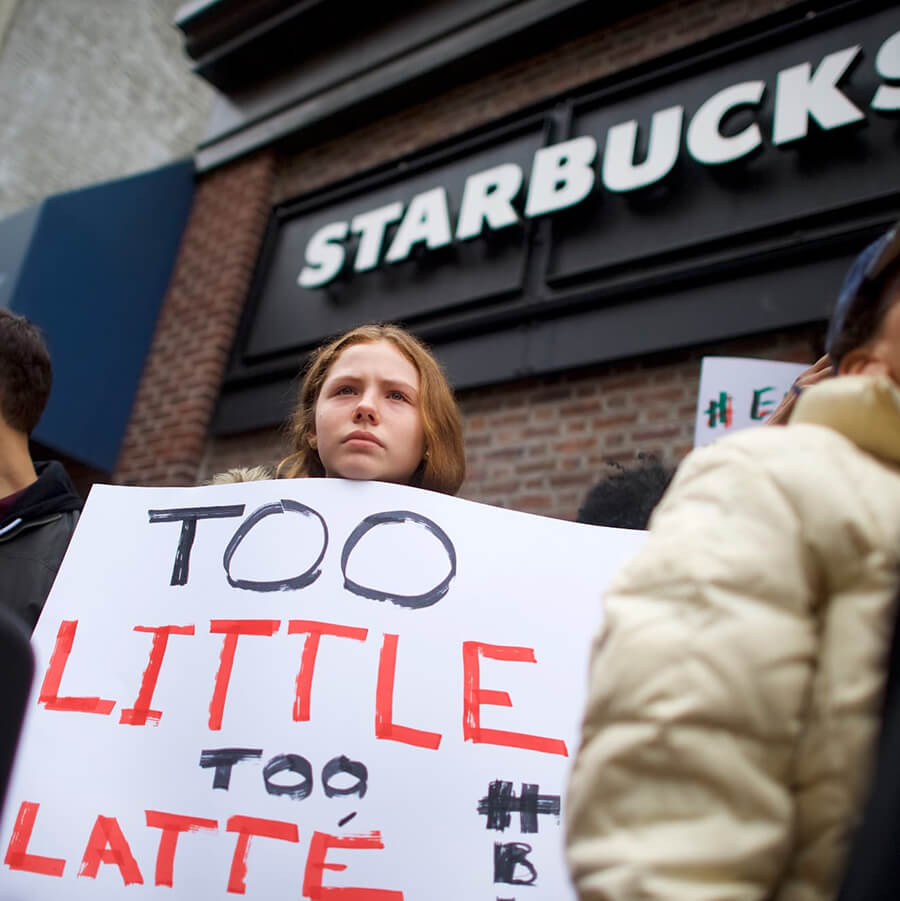
How brands can protect themselves
To avoid becoming hostages of a single comment, companies need systemic reputation practices:
Real-time social monitoring
SMM and AI analytics tools can detect early spikes in mentions before a discussion escalates.
Instant response scenarios
A "red protocol" with pre-approved response templates and clear team roles is essential.
Unified tone of voice
Brand messages must be honest, fast, and consistent. An apology or open acknowledgment earns more trust than silence.
Defender-ambassadors
Loyal opinion leaders and micro-influencers can be the first to defend a brand — if genuine relationships are in place.
Preventive storytelling
Brands that regularly share their internal values, show their teams, and build authenticity enjoy greater trust when crises arise.
To avoid becoming hostages of a single comment, companies need systemic reputation practices:
Elledgy Media Insight
The media space of 2025 is a minefield. It can detonate from a single comment. A brand that thinks "this won't happen to us" is mistaken. The question isn't if — it's when.
The solution isn't to suppress negativity, but to build a resilient reputation ecosystem: monitoring + readiness for dialogue + authenticity.
"In 2025, brand reputation is defined by speed of response — and the ability to speak the audience's language."
Expertise & Key Insights

5 Factors That Kill Brand Reputation in 2025
Study by Elledgy (2025)

Reputation Capital as an Intangible Asset
Study by Elledgy (2025)
Why Reputation Capital Matters More Than Advertising Budgets
Study by Elledgy (2025)
10 steps to a
flawless online
reputation
A practical guide from the Respology team
on creating and
maintaining the perfect online image
Contact Us
Begin a confidential conversation about your reputation.
Confidential Request
* - required fields
All inquiries are treated with strict confidentiality
Your Contact Details
I consent to the processing of personal data